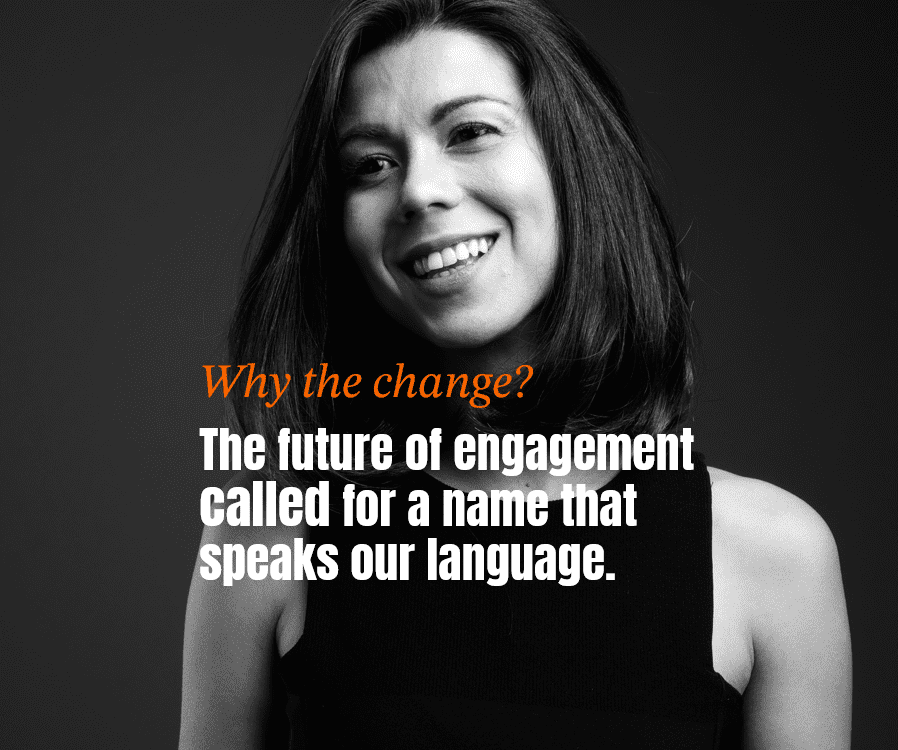

Welcome back to Fan Girl Fridays, where we shine a spotlight on the extraordinary people transforming Australia. This week, we’re thrilled to feature Anne Pattillo— founder of Pattillo Ltd and an inspiring practitioner whose work has shaped communities and organisations alike. In this candid conversation, Anne dives into her career journey, and shares insights on engagement, trust, and what it takes to connect with people on contentious issues.
Early beginnings: From accounting to engagement
Q: Can you tell us about your career journey? How and where did you start out?
I didn’t begin in engagement; I actually started in accounting. What drew me to it was understanding how organisations function by tracking their activities through numbers. I enjoyed seeing how systems connected at a high level and crunching that down to actionable insights. But truth be told, accounting didn’t fill my heart. While working as an accountant, I volunteered with St John, helping young people with leadership and development. That experience ignited my passion for working with communities. When a role in youth leadership opened up, I jumped at the opportunity. It was a glorious time in my twenties, learning about community, advocacy, and youth rights.
Eventually, I sought to blend my understanding of organisations with my passion for leadership. I moved into a government role focused on management and leadership development. This led to a project examining New Zealand’s benefit system, which was fascinating but politically precarious given an upcoming election. From there, I transitioned into consultancy over 30 years ago, and I’ve never looked back.
discovering engagement
Facilitation became a cornerstone of my consultancy work. I kept getting asked to facilitate stakeholder groups, and that’s when I stumbled upon IAP2 (the International Association for Public Participation). It was a turning point. The lovely Vivian Twyford, a pioneer in the field, was one of the trainers, and once I came into the IAP2 fold, I finally felt like I had found “home”.
Back then, IAP2 in New Zealand was small—member numbers were low enough to fit us around a small coffee table. I somehow ended up facilitating their first conference in Sydney, which was a runaway success. It was all about conversations and learning from one another.
the joys of engagement
Q: What’s the best part of your job?
Engagement has always been a part of my broader practice. What I love most is connecting things—strategy, systems, and people—and doing so with humility and curiosity. Society is facing immense challenges, and I believe the best way to address them is by truly listening and understanding perspectives beyond our own.
I thrive in complexity. My singing teacher once said I sing best when the music is complex, and I think that sums up my approach to work. The most meaningful outcomes arise when we lift people into new spaces, where advocacy gives way to collaboration and solutions.
tackling big challenges
Q: What are some of the complex challenges society is facing that engagement will help with?
One of the biggest challenges is how we adapt to climate change while addressing the immediate pressures of the cost of living. It’s not enough for the wealthy or educated to lead the way—we need solutions that work for everyone. That’s a tough fight, and the stakes are high.
I recently facilitated a workshop with cycling advocates. They were passionate, but their advocacy for bikes overshadowed any consideration of why cycling might not work for everyone. Engagement must go beyond being “right” to understanding and supporting diverse perspectives. Our responsibility as practitioners is to help communities navigate these transitions—whether it’s adopting sustainable practices or moving away from industries with high environmental impacts.
engagement at the heart of organisations
Q: Do you think society is moving towards placing engagement at the heart of organisations?
Absolutely, but we still have a long way to go. Decades ago, we started thinking about the organisational capabilities needed for effective engagement. Now, more organisations in Australasia are taking it seriously and making an impact. However, many still see engagement as a box-ticking exercise—a compliance task rather than a strategic opportunity.
To truly embed engagement, practitioners need to be at the decision-making table from the outset, shaping the thinking well before the “We need to do this engagement thing” stage. It’s about creating relationships of value, not just processes.
I have a lot of clients in the energy space, building assets that are going to be around for a very long time. Well, that’s a long commitment to community! We need to shift our framing of engagement and stop seeing it as linked to one project, independent to an organisation. We need to see organisations as having long term relationships with the communities they serve.
embracing diversity
Diversity is another significant challenge. While progress has been made, many organisations still see diversity as someone else’s responsibility. Engagement practitioners must challenge this mindset. Respectful engagement requires understanding people who are different from us and ensuring they have a meaningful seat at the table. It’s not enough to invite diverse voices into the room; we must weave those perspectives into the fabric of decision-making. Only then can we create sustainable solutions that serve everyone.
Engaging when there’s low trust
Q: How do you engage with communities that mistrust government agencies?
It’s no secret that people’s confidence in traditional sources of authority has waned. There’s no point in saying, “We have someone really smart here; you should just listen to them.” It’s more nuanced than that. People listen to those who are like them and to messages that comfort or reinforce their worldview, even if those messages aren’t based on facts.
This is where we’ve got to rethink our approach. Often, we start too late, too small, and with a certain naivety—thinking people will naturally understand our facts and logic. But engagement is a competition for attention and confidence. If we’re not prepared early and working at an organisational level, we’re already behind.
For example, we worked with a small council in New Zealand that wanted to treat water for a local community. You’d think safe water would be a no-brainer, right? But the council knew that for this solution to succeed, they needed the community’s confidence. They went slow to go fast. They identified the loudest contesting voices—some of whom had been actively opposing public health measures like COVID-19 vaccines—and took the time to listen and engage meaningfully.
Q: What did this look like in practice?
The council did something simple but powerful. They gathered a group of community leaders—including Iwi (the Māori word for tribe) leaders—and took them on a small bus trip to visit a community with a similar water treatment facility.
Picture this: two days on a minibus, just chatting and seeing things firsthand. It wasn’t a polished presentation; it was authentic. At one point, their “engineering guy” pointed out a flaw in the treatment approach at the facility they were visiting. He said, “That wouldn’t be good enough for us.” That moment changed everything. It wasn’t rehearsed, but it sent a subtle message: “We’re not railroading this. We’re committed to doing it right, and we’re listening to you.” It built trust. These leaders went back to their communities, their families, and shared their own version of the story—a story about genuine care and collaboration.
Q: How can organisations prepare for contentious projects?
Readiness is everything. Often, organisations wait until a project lands on their doorstep before thinking about engagement. By then, it’s too late. We need to think bigger—at an organisational level—and start earlier. It’s about being proactive, not reactive.
Engagement isn’t just about compliance or ticking boxes. It’s about understanding the competing voices and values in a community and finding ways to connect authentically. That means investing in relationships before a project even begins. It’s an investment in trust, and it pays off when tough conversations arise.
Thank you, anne!
Anne Pattillo’s journey from accounting to engagement is a testament to the power of curiosity, adaptability, and a commitment to community. Her insights remind us that true engagement isn’t about checking boxes or advocating from a single perspective. It’s about collaboration, diversity, and creating lasting relationships that empower communities to thrive.
Thank you, Anne, for sharing your story and your wisdom.
Stay tuned for the next Fan Girl Fridays feature, where we’ll continue celebrating the incredible voices shaping the future of engagement.